
One Alabama outing takes you beneath enormous cave formations; another puts a miniature city at your feet. The most memorable hidden gems in Alabama often involve a change of scale, with a familiar-looking landscape suddenly revealing something you did not expect.
These 11 places range from established attractions to conservation properties that require more preparation. You can explore wooded canyons, examine handmade landmarks, and follow the traces of a former capital. They are spread across the state, so use the list to build regional outings and give the more demanding landscapes the time they deserve.
1. Dismals Canyon, Phil Campbell
Dismals Canyon draws you into a narrow world of sandstone, moss, ferns, and water. Large boulders interrupt the view, so the pleasure comes from discovering the canyon a little at a time. A daylight walk lets you appreciate the shapes of the rock and the cool-looking green surfaces that give the place its distinctive character.
The canyon is also known for dismalites, bioluminescent fly larvae that can be seen on guided night outings. Daytime exploration and nighttime viewing are separate experiences, so plan around the canyon’s own visitor information. Spring and fall are appealing for walking; warm-season greenery adds another reason to visit. Good footwear matters because beautiful mossy surroundings can also mean slippery footing.
Insider tip: If seeing dismalites is your priority, arrange the guided experience first and build the rest of your outing around it.
Where: Phil Campbell, Alabama
2. Cathedral Caverns State Park, Woodville
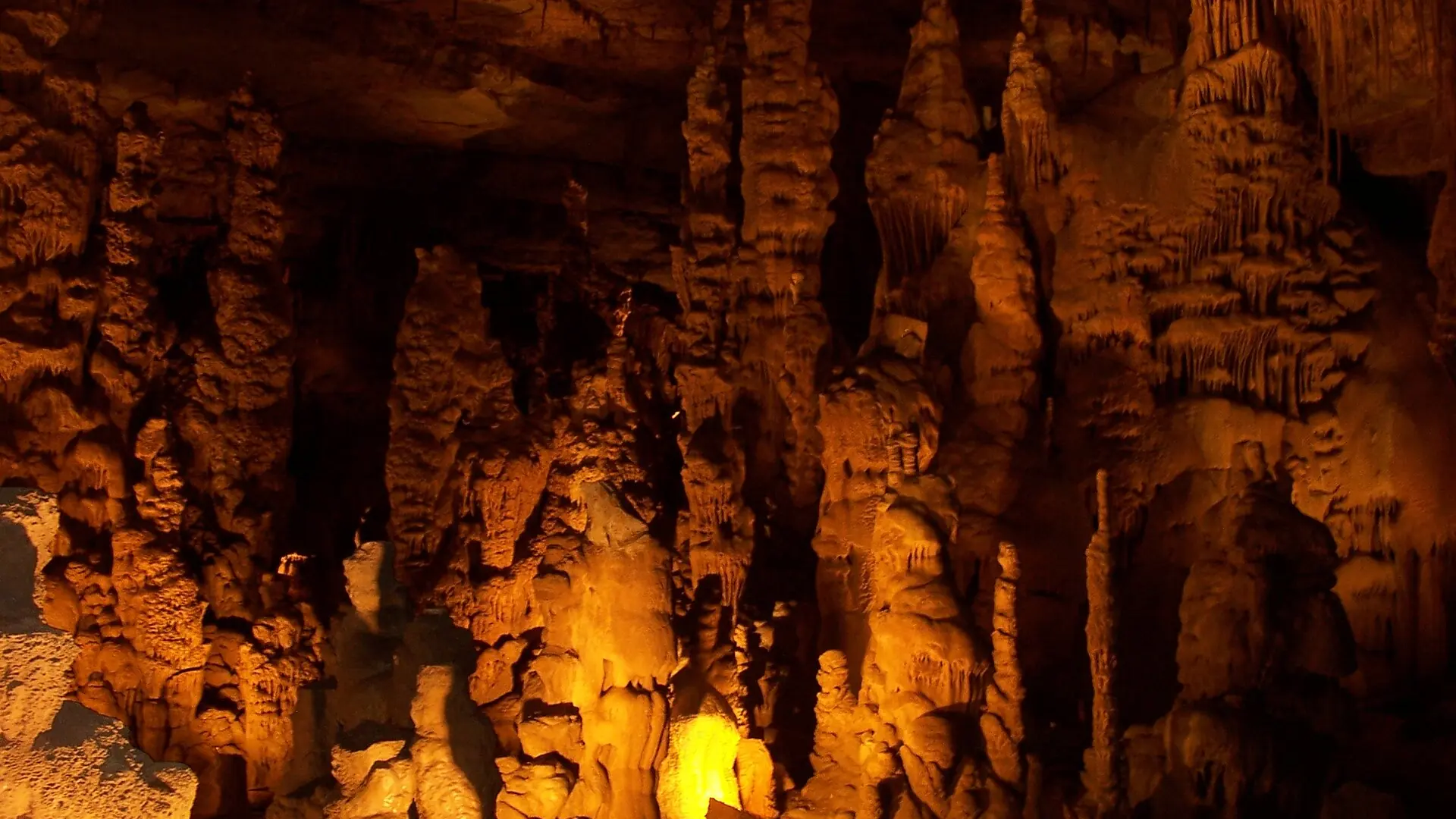
Photo: Cathedralcavernschick at English Wikipedia / CC BY 2.5, via Wikimedia Commons
Cathedral Caverns starts with an entrance broad enough to reset your idea of a cave. Inside, the scale of the chambers and formations is the main attraction, with massive stone shapes that make individual visitors look very small. The named stalagmite Goliath gives you one memorable example of how much material water can deposit over geological time.
You explore through a guided cave tour, which makes this a useful choice when you want an underground experience without planning a technical caving expedition. Check the park’s tour information before choosing your day. The cavern is a year-round option, particularly helpful when outdoor heat or unsettled weather changes your plans, although you should still allow for walking and damp surfaces.
Insider tip: Bring a light layer for the cave and choose shoes with grip rather than dressing only for the weather outside.
Where: Woodville, Alabama
3. Little River Canyon National Preserve, Fort Payne
Little River Canyon gives you a wide-open contrast to the enclosed spaces elsewhere on this list. The river runs across Lookout Mountain before cutting into a canyon, and the overlooks let you appreciate the landscape from above. You do not have to tackle a demanding descent to understand what makes the preserve special.
Use the National Park Service’s planning pages to choose official overlooks and establish a comfortable outing. Spring often brings stronger water flow, while fall adds color to the surrounding woods. Stay flexible about your priorities: a waterfall-focused visit and a quiet canyon-view afternoon can be equally rewarding, but they depend on different conditions. Stop where parking is designated rather than trying to improvise viewpoints along the road.
Insider tip: Choose a few overlooks for longer stops instead of rushing to photograph every pullout.
Where: Fort Payne, Alabama
4. Ave Maria Grotto, Cullman
Ave Maria Grotto rewards the opposite approach: look closer. On the grounds of St. Bernard Abbey, an outdoor collection of miniature buildings reflects the patient work of Brother Joseph Zoettl, a Benedictine monk. Religious landmarks, recognizable architecture, and imaginative constructions share a wooded setting that makes the whole collection feel unusually personal.
The fascination lies as much in the materials and small details as in identifying the places represented. Walk slowly, compare a broad scene with its tiny components, and give children a particular feature to spot. Spring and fall offer comfortable conditions for the outdoor route. The official visitor page is especially useful if anyone in your group has mobility needs, since you should confirm the route’s suitability before arriving.
Insider tip: Photograph a complete miniature scene first, then take a closer image that shows the craftsmanship you might otherwise miss.
Where: Cullman, Alabama
5. Natural Bridge Park, Natural Bridge
Natural Bridge Park centers on an enormous sandstone span that looks strikingly architectural despite being a geological formation. The bridge rises above the forest floor, with rock and vegetation giving you a strong sense of scale. Your visit is about viewing the formation from the designated route beneath and around it, rather than crossing its top.
Let your eyes follow the underside of the span and the way light changes across the rock. Spring’s greenery makes an attractive frame, while fall can add color to a woodland visit; mild winter weather can also suit a walk. This is a privately operated attraction, so confirm current visitor arrangements before making a special journey. Resist the urge to climb for a more dramatic photograph.
Insider tip: Include a person standing safely on the permitted path in one photo to show the bridge’s scale.
Where: Natural Bridge, Alabama
6. Cheaha State Park, Delta
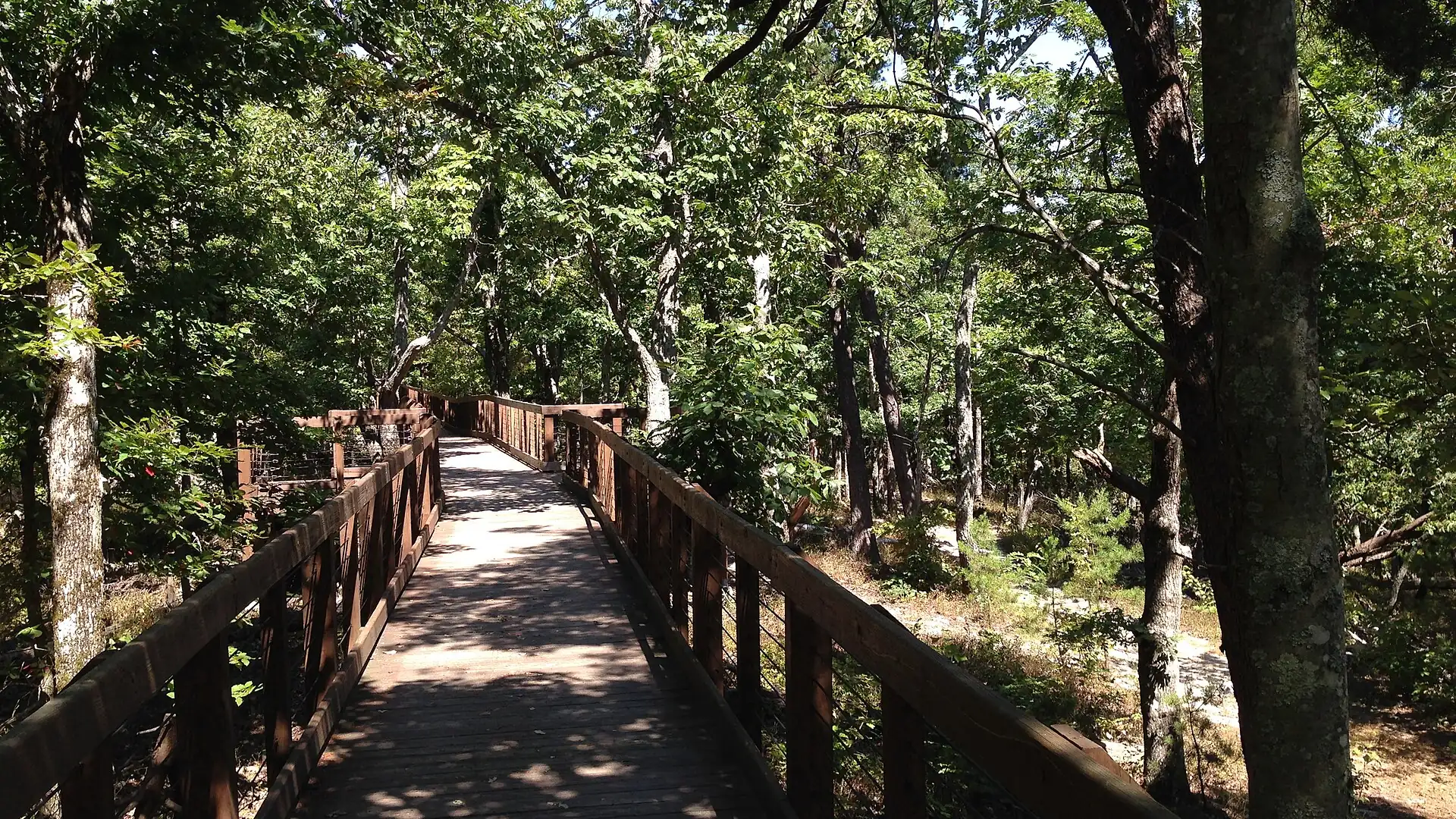
Photo: Fredlyfish4 / CC BY-SA 4.0, via Wikimedia Commons
Cheaha State Park surrounds Alabama’s highest point, where exposed rock and long views make the state feel surprisingly mountainous. The landscape is the reason to come: wooded ridges, changing cloud cover, and overlooks where the horizon opens out. You can plan a view-focused outing without making every stop a strenuous hike.
The park’s visitor information helps you distinguish accessible routes from steeper trails before you arrive. Choose spring for fresh foliage or fall for woodland color, and remember that summit conditions can feel different from the weather lower down. If you stay overnight, leave space for a second attempt at the views; fog can transform the landscape, but it can also hide the panorama you came to see.
Insider tip: Carry a wind-resistant layer even when the forecast for nearby lower elevations looks warm.
Where: Delta, Alabama
7. Rickwood Caverns State Park, Warrior
Rickwood Caverns introduces an older Alabama through limestone, mineral formations, and traces of a marine past. Going underground shifts the focus away from broad scenery toward textures and details, making it a satisfying stop if you enjoy asking how a landscape formed. Listen to the guide and give your eyes time to adjust to the cave environment.
A guided tour is the centerpiece, with aboveground park space available to round out the visit. Consult the official cave-tour page when making plans. This works in any season, especially when you want a structured activity between outdoor excursions. Even on a hot day, dress for the cavern’s cooler atmosphere and choose footwear suited to walking rather than a casual beach-style outing.
Insider tip: Keep your hands away from cave formations; the best way to examine delicate surfaces is with your eyes.
Where: Warrior, Alabama
8. Historic Blakeley State Park, Spanish Fort
At Historic Blakeley State Park, the unexpected sight is a landscape holding several histories at once. The park preserves traces of the former town of Blakeley and the Civil War battlefield, alongside the natural setting of the Mobile-Tensaw Delta. Forested trails make the history feel connected to the ground beneath you rather than confined to a building.
Choose a focused route using the park’s maps and visitor resources, then spend time with the interpretation along the way. Spring and fall usually make a more comfortable walking trip than the hottest part of summer. You can also investigate the park’s organized delta outings if water and wildlife interest you, but treat those as activities to arrange in advance rather than assumed additions to a walk.
Insider tip: Decide whether your main interest is battlefield history or delta ecology before choosing your route through the park.
Where: Spanish Fort, Alabama
9. Old Cahawba Archaeological Park, Orrville
Old Cahawba asks you to picture a city in the spaces between surviving traces. Alabama’s first permanent state capital stood here, and the archaeological park preserves ruins, cemeteries, and the outlines of a place that largely disappeared. Its position near the meeting of the Cahaba and Alabama rivers helps explain why the location once mattered.
Pick up the story through the Alabama Historical Commission’s visitor resources, then explore with the map rather than expecting a conventional restored town. Spring and fall favor unhurried walking, while summer calls for extra water and breaks. The combination of river landscape and scattered remnants is the attraction, so give yourself time to connect what you see with what used to stand there.
Insider tip: Bring the site map on your walk; interpretation is essential when streets and buildings survive mainly as traces.
Where: Orrville, Alabama
10. Unclaimed Baggage, Scottsboro
Unclaimed Baggage is the list’s indoor curveball: a retail destination built around items from unclaimed luggage and other unclaimed goods. The surprising part is the range of ordinary and unusual things that can end up together. You might enjoy the browsing even if you have no particular purchase in mind.
Treat the visit as open-ended shopping rather than a guarantee of finding a specific object or an extraordinary bargain. The store’s own information explains how the business works and is a better guide than an old social-media haul. Any season can suit this stop, making it useful when rain disrupts an outdoor plan. Set yourself a browsing budget and leave enough time to examine condition and fit before buying.
Insider tip: Decide which categories actually interest you before you start browsing, especially if your group has different shopping priorities.
Where: Scottsboro, Alabama
11. Neversink Pit, Fackler
Neversink Pit is an open-air cave shaft with fern-covered ledges and a dramatic drop. It is a conservation property and a technical caving site, so approach it with very different expectations from a developed state-park cave. The hike to the rim is steep and strenuous; this is not a casual roadside overlook.
The Southeastern Cave Conservancy’s preserve page explains the required permits, including surface-only visits. Descending the pit requires specialized vertical-caving skills and equipment, including the ability to ascend the rope again. For ordinary hikers, a permitted surface visit is the appropriate scope. Choose comfortable hiking weather, remain well back from the edge, and understand that a photograph of someone below does not describe an experience suitable for every visitor.
Insider tip: Resolve your permit and read the preserve’s full safety and access information before making travel plans around Neversink.
Where: Fackler, Alabama
Map of the places
Tap a place to open it in Google Maps:
- Dismals Canyon, Phil Campbell
- Cathedral Caverns State Park, Woodville
- Little River Canyon National Preserve, Fort Payne
- Ave Maria Grotto, Cullman
- Natural Bridge Park, Natural Bridge
- Cheaha State Park, Delta
- Rickwood Caverns State Park, Warrior
- Historic Blakeley State Park, Spanish Fort
- Old Cahawba Archaeological Park, Orrville
- Unclaimed Baggage, Scottsboro
- Neversink Pit, Fackler
Tips for planning your Alabama trip
- Favor spring and fall for woodland walks; caves and the indoor shopping stop give you options in other seasons.
- Group the northern caves, canyons, and mountain sites separately from the delta and central Alabama historical stops.
- Pack sturdy shoes, water, insect repellent, a rain layer, and a light extra layer for guided cave visits.
- Arrange guided tours and required permits before committing to a tight itinerary, and check each property’s current visitor information.
- Download maps before leaving reliable reception, and keep your outdoor plans flexible when storms or high water affect conditions.
FAQ
Can you visit these hidden gems in Alabama year-round?
The list offers ideas for every season, but individual properties can have seasonal schedules or weather-related restrictions. Check the operator’s current information before making a special trip, particularly for guided activities and conservation properties.
Which stops work well for families?
Cathedral Caverns, Ave Maria Grotto, and Unclaimed Baggage offer very different experiences that may suit family groups. Choose according to walking ability and interests; Neversink requires substantially more preparation and is not an interchangeable substitute for a developed attraction.
Are all the places close enough for one trip?
They are spread across Alabama, so regional outings are more practical than a hurried statewide circuit. Pick a small cluster and give each landscape or historic site enough time to make sense.
Final thoughts
Alabama’s unexpected places reward curiosity backed by a little preparation. Save the stops that fit your interests, check their own visitor guidance, and build a trip with enough room to appreciate what makes each one different.

