
A bayfront sunset and a mountain morning belong to very different Alabama weekends. The pleasure of exploring small towns in Alabama is discovering how much the scenery, architecture, and pace can change while you stay in the same state.
These 11 places give you plenty to build a trip around: a literary courthouse, streets shaded by old trees, river views, and downtowns worth exploring on foot. Some are tiny communities; others are substantial regional centers with a small-town atmosphere in their older neighborhoods. Choose a region and leave yourself time to look closely.
1. Fairhope
Fairhope puts Mobile Bay at the center of an otherwise very walkable getaway. You can browse downtown shops, follow the streets toward the waterfront, and make the public pier area your destination as the afternoon light changes. The water here is a broad bay, so the experience is different from an open-Gulf beach vacation.
The town’s appeal comes from combining those waterfront views with a downtown you can enjoy between meals. Look at the planting beds, stop for a book, and let a second stroll take you down a street you missed the first time. Spring and fall are especially comfortable for spending much of the day outdoors; cooler winter days also suit a walking-focused visit.
Insider tip: Make your waterfront walk a separate outing from shopping so you can return when the light is softer.
Where: Fairhope, Alabama
2. Mentone
Mentone changes the mood completely with its position on Lookout Mountain. The settlement is small enough that you should think in terms of a mountain retreat with a village center, rather than an endless sequence of downtown attractions. Its wooded surroundings and collection of local shops reward a visit with fewer scheduled commitments.
Give yourself time to explore the center and appreciate how quickly the landscape becomes the main event. Spring brings fresh foliage, while fall adds color to the mountain setting; summer visits work best when you reserve the warmer part of the day for a long meal or a quiet break. A cabin-style stay makes sense here if the accommodation itself is part of your vacation.
Insider tip: Choose lodging by its actual setting; a mountain address does not automatically mean a broad view or easy walking access.
Where: Mentone, Alabama
3. Eufaula
In Eufaula, wide streets and substantial historic houses encourage you to slow your walking pace. The Seth Lore-Irwinton Historic District preserves an extensive collection of older buildings, giving you more to notice than a single photogenic block. Look for differences in porches, rooflines, and the relationship between houses and their gardens.
The town also gives you a lakeside dimension, with Lake Eufaula shaping much of the area’s outdoor recreation. You can plan an architecture-focused morning and a relaxed afternoon by the water without making the day feel overfilled. Spring is a particularly pleasant choice for walking, while fall offers another comfortable window; in summer, move the longer neighborhood strolls toward the cooler ends of the day.
Insider tip: Enjoy residential architecture from public streets and sidewalks, and confirm visitor access before planning to enter any historic home.
Where: Eufaula, Alabama
4. Florence
Florence is bigger than the word “town” might lead you to expect, and that gives a weekend useful depth. Its downtown offers a walkable starting point, while the Tennessee River provides a very different setting for a second outing. You can pair a morning spent looking at architecture with an afternoon focused on the region’s musical history.
The W. C. Handy Home, Museum and Library connects the city to the influential blues musician who was born here. Florence also has the Rosenbaum House, designed by Frank Lloyd Wright, if architecture is your main interest. Choose one substantial cultural visit, then leave room for the downtown and riverfront rather than treating every attraction as a quick stop.
Insider tip: Decide which museum matters most before choosing your travel day, then check that institution’s own visitor information.
Where: Florence, Alabama
5. Monroeville

Photo: Wmr36104 / CC BY-SA 3.0, via Wikimedia Commons
Monroeville is a rewarding choice when your ideal souvenir is a better understanding of a book you love. Harper Lee’s hometown inspired the fictional Maycomb of To Kill a Mockingbird, and the old Monroe County courthouse anchors its literary identity. The local literary overview is a useful starting point for deciding what you want to explore.
Begin around the courthouse square, then give the museum experience enough attention to connect the setting with the writing. You do not need a crowded itinerary here; a deliberate visit suits the town better than a hurried photo stop. Spring and fall make walking comfortable, while a winter visit can work well if your priority is literary history rather than gardens or outdoor recreation.
Insider tip: Reread a chapter before you travel so the courthouse and town square have a literary context when you arrive.
Where: Monroeville, Alabama
6. Magnolia Springs
Magnolia Springs offers a quieter kind of coastal Alabama visit, centered on the Magnolia River and residential streets shaded by substantial trees. It is a place to appreciate water, greenery, and the shape of an old community. You come for the setting and a slower afternoon, rather than a long checklist of attractions.
A gentle walk lets you notice porches, gardens, and the river landscape without having to fill every hour. Spring and fall are particularly appealing for this kind of outing, although the town can fit into a trip in any season. Keep expectations realistic about waterfront access: attractive river frontage may belong to private homes, so use clearly designated public areas and avoid treating docks as public viewpoints.
Insider tip: Bring a book or sketchbook; this is an especially good stop when you want something quiet to do between walks.
Where: Magnolia Springs, Alabama
7. Fort Payne
Fort Payne combines an old railroad-town center with a strong connection to the country band Alabama. Its former hosiery industry adds another layer to the story, reminding you that these mountain communities were working towns long before they became vacation bases. A downtown wander gives you a useful introduction to that mixture of industry, music, and regional pride.
The Fort Payne travel overview can help you choose a museum or historic stop that matches your interests. Build in time to enjoy the town itself instead of using it only as a place to sleep before outdoor excursions. Spring and fall are good all-round choices, while summer suits a visit that alternates indoor sightseeing with early or late walks.
Insider tip: Keep one part of your day devoted to downtown so the town’s own history does not disappear behind your outdoor plans.
Where: Fort Payne, Alabama
8. Wetumpka
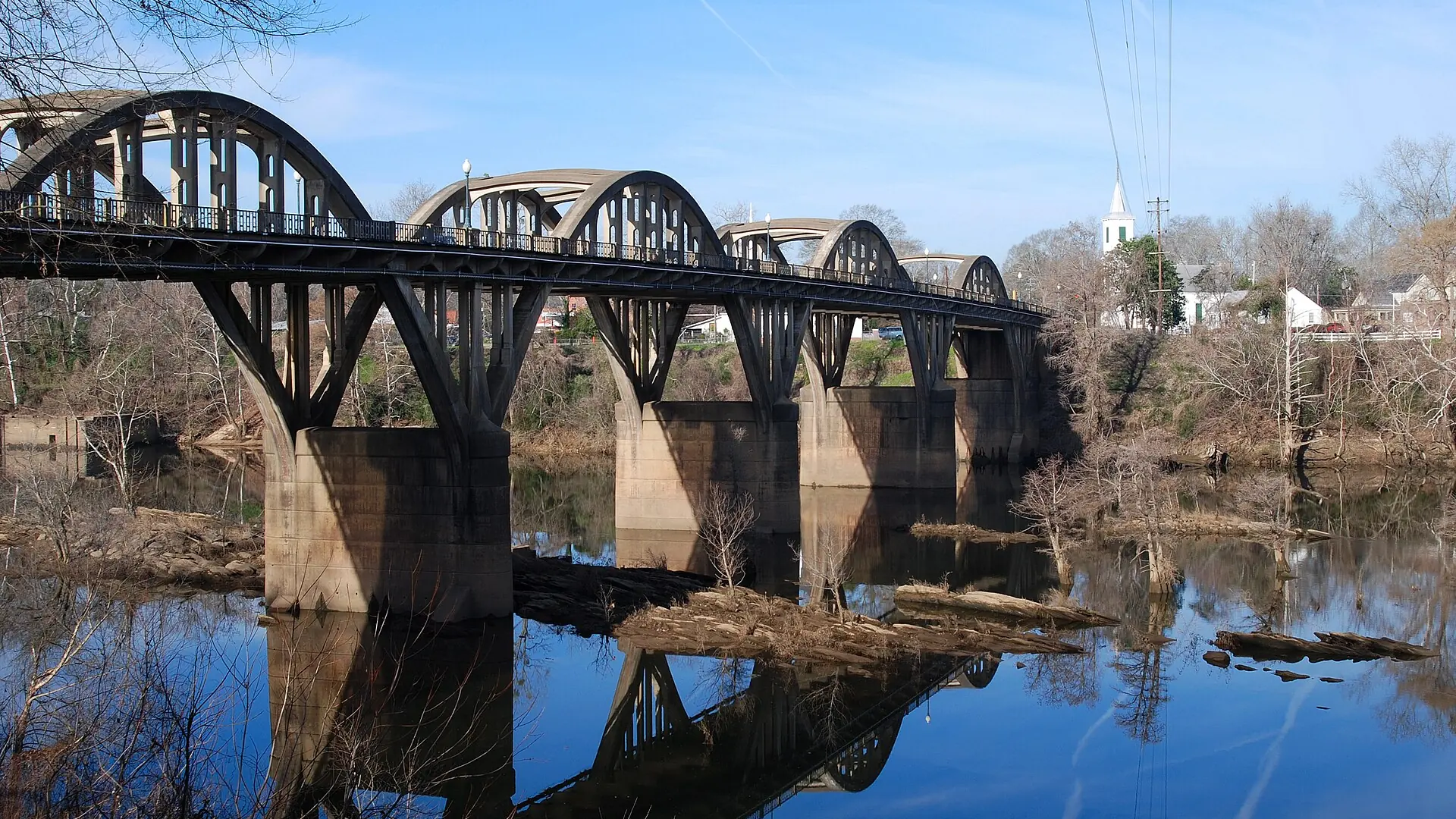
Photo: A.J. Camerio / CC BY-SA 3.0, via Wikimedia Commons
Wetumpka gives you an unusually strong visual anchor: the Coosa River and the arched Bibb Graves Bridge. Start with the downtown streets, then look at how the buildings and riverfront relate to the water. You get a satisfying sense of place without needing to drive from one attraction to the next all afternoon.
The town also sits within the landscape of an ancient impact crater, a geological story that adds depth to the scenery. Think of the crater as something to learn about before exploring, rather than a single obvious hole you will instantly recognize. Spring and fall favor riverfront walking, and the town works well for a relaxed overnight if you want dinner and a second look at the water.
Insider tip: Read a little about the impact crater first; understanding the landscape makes the surrounding hills more interesting.
Where: Wetumpka, Alabama
9. Mooresville
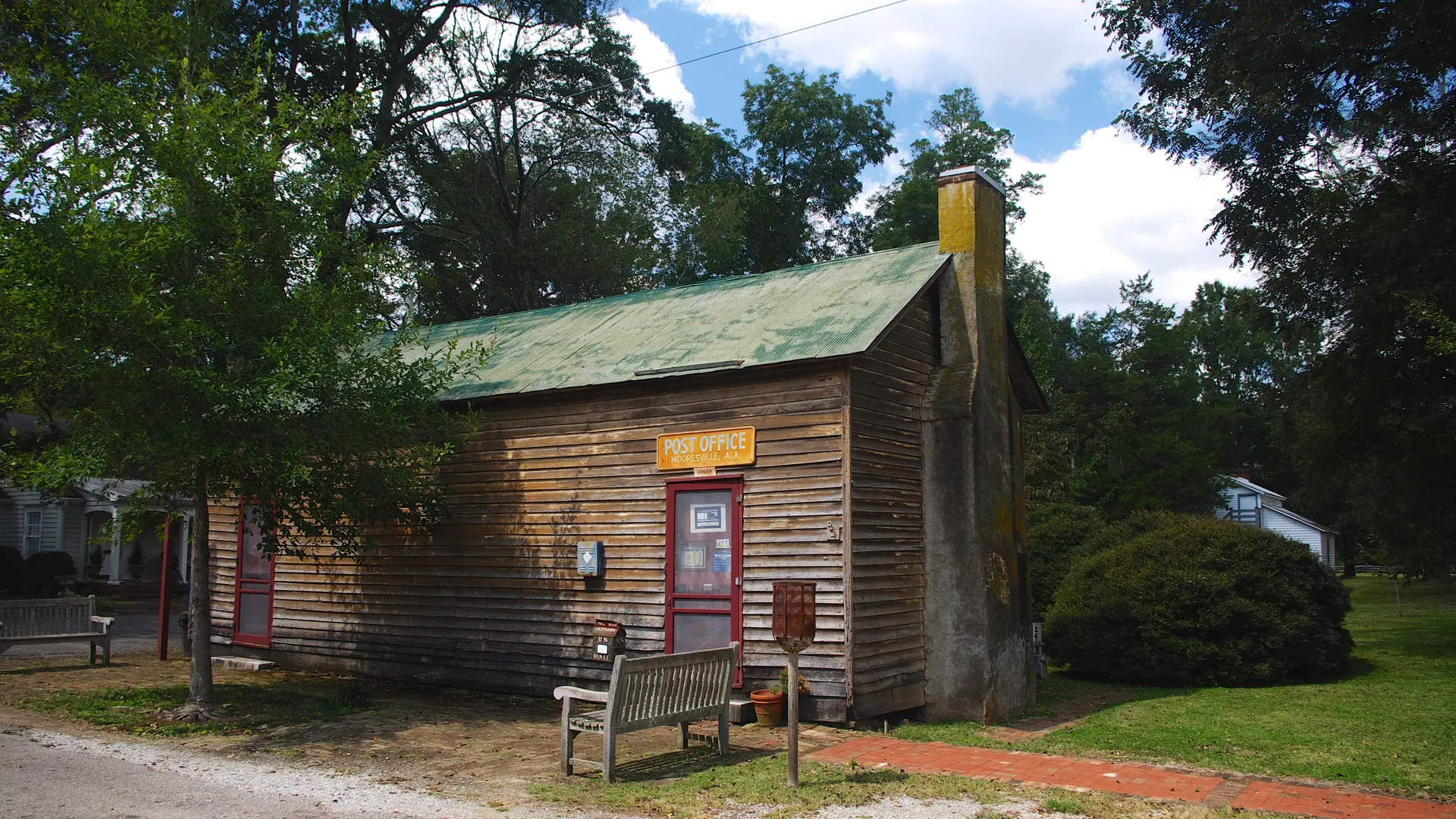
Photo: Brian Stansberry / CC BY 4.0, via Wikimedia Commons
Mooresville is the smallest-feeling stop on this list, with historic buildings and tree-lined streets that ask very little of you beyond attention. The community was incorporated before Alabama became a state, and its old post office remains one of its defining landmarks. The town’s visitor page explains the buildings you can appreciate during a walk.
What makes the visit work is remembering that people still live here. Enjoy the exteriors, notice the churches, and give yourself room to appreciate the proportions of streets and houses instead of expecting every door to open. Spring and fall make an unhurried walk especially pleasant. You can enjoy Mooresville as a compact outing without trying to turn it into a whole day of organized sightseeing.
Insider tip: Keep your walk on public routes and use a zoom lens for architectural details beyond private garden boundaries.
Where: Mooresville, Alabama
10. Selma
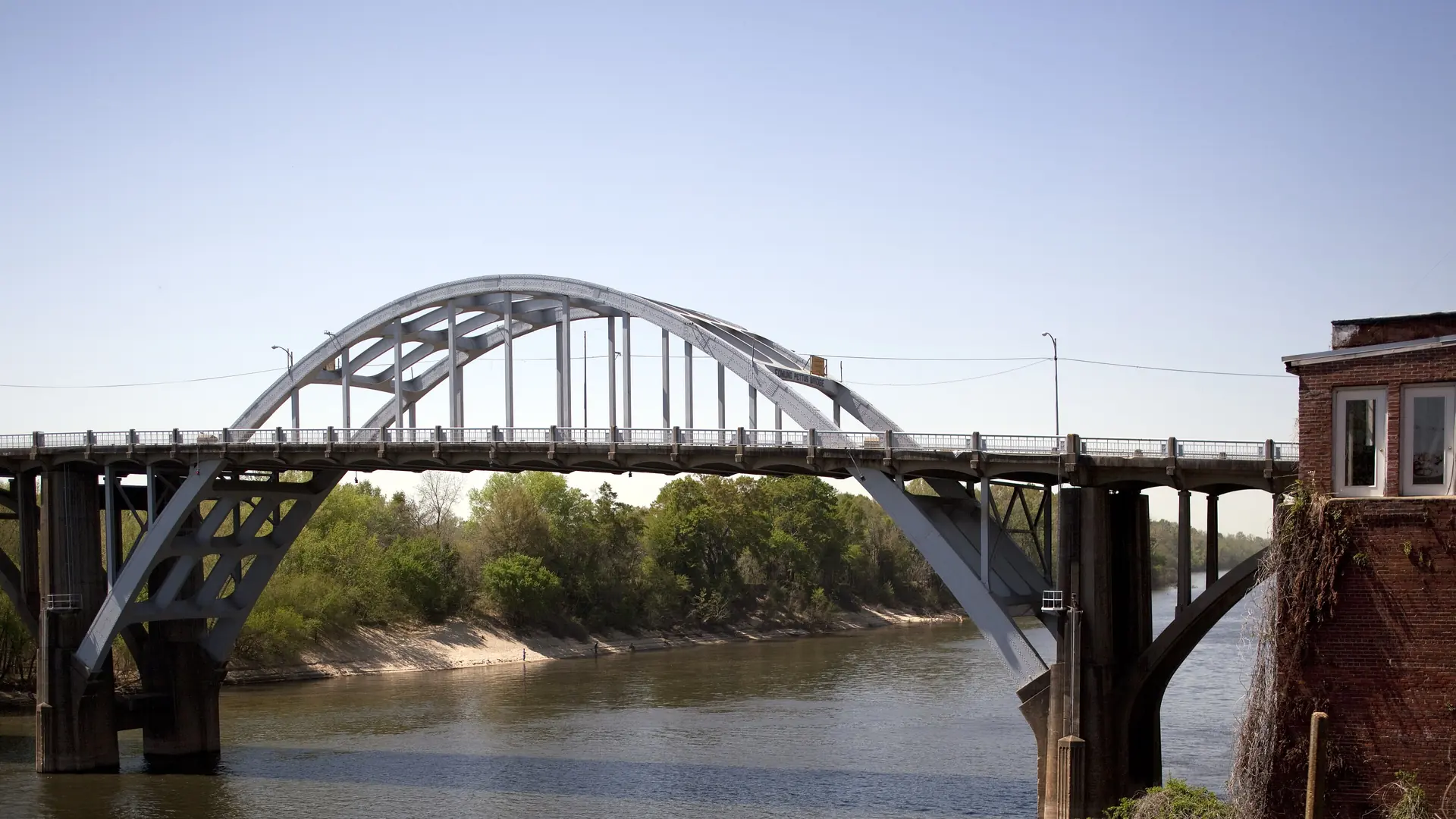
Photo: Carol M. Highsmith / Public domain, via Wikimedia Commons
Selma calls for a thoughtful visit grounded in civil rights history. The Edmund Pettus Bridge is a central landmark of the 1965 voting rights struggle, and seeing it in person carries more meaning when you understand the events connected to it. Give the historical sites your attention before you approach the town as a collection of attractive older buildings.
The National Park Service’s Selma to Montgomery resources provide a solid foundation for planning. After a focused history visit, you can spend time looking at downtown architecture and the Alabama River setting. Spring, fall, and mild winter days generally suit walking better than the hottest summer afternoons. Allow space in the day for reading, reflection, and conversations within your own group.
Insider tip: Read the historical interpretation before photographing the bridge so your visit begins with its significance.
Where: Selma, Alabama
11. Cullman
Cullman’s German heritage gives its downtown a distinct historical thread, and the old commercial buildings make a satisfying backdrop for a casual walk. You can explore the town center, look into local history, and plan a separate visit to Ave Maria Grotto. That combination gives families and couples different ways to enjoy the same weekend.
The grotto’s outdoor collection of miniature buildings, created by Benedictine monk Brother Joseph Zoettl, deserves close looking rather than a quick lap. Back downtown, leave room for a meal and another wander through the older commercial area. Spring and fall are comfortable for mixing outdoor art with walking; in summer, plan the more exposed parts of your visit around the heat and keep water with you.
Insider tip: At the miniature displays, alternate an overall view with a close look at materials and small decorative details.
Where: Cullman, Alabama
Map of the places
Tap a place to open it in Google Maps:
- Fairhope
- Mentone
- Eufaula
- Florence
- Monroeville
- Magnolia Springs
- Fort Payne
- Wetumpka
- Mooresville
- Selma
- Cullman
Tips for planning your Alabama trip
- Choose spring or fall for the easiest balance of comfortable walks and outdoor scenery; summer requires more shade breaks and water.
- Group the northern towns separately from the Mobile Bay communities, and plan a different outing for the central and southeastern stops.
- Pack comfortable walking shoes, a light rain layer, sun protection, and a refillable bottle, even for a mostly downtown itinerary.
- Reserve accommodation ahead for your preferred weekends, especially when you want a particular cabin, waterfront setting, or small historic property.
- Confirm museum and historic-building access directly before departure, since a walkable town can still have attractions with limited visiting days.
FAQ
Which small towns in Alabama work best for a weekend?
Fairhope suits a weekend built around downtown walks and bay views, while Mentone works well for a mountain retreat. Florence and Cullman offer more variety if your group wants to combine cultural visits with meals and casual exploring.
Can you visit all 11 towns in one weekend?
The towns are spread across Alabama, so that would leave little time to enjoy them. Pick one region and choose a comfortable base rather than turning a short break into a statewide drive.
Do you need a car for these trips?
A car is the most practical way to reach the towns and connect regional stops. Once you arrive, several downtowns reward walking, but lodging and individual attractions may still require a drive.
Final thoughts
Choose the Alabama town that matches the weekend you actually want: mountain quiet, bayfront light, literary history, or a downtown worth a second stroll. Save this list, pick a region, and give yourself enough time to enjoy the place between the planned stops.

