
Indiana – Veteran Democratic strategist James Carville is warning that President Donald Trump’s hold over the Republican Party may face a serious test before voters even reach November’s midterm elections.
In the focus are Indiana and Kentucky politicians that could make literally ruin Trump’s second term.
Carville, the 81-year-old former consultant who helped guide Bill Clinton’s rise to the White House, made the prediction during Thursday’s episode of his Politicon podcast, which he co-hosts with journalist Al Hunt.
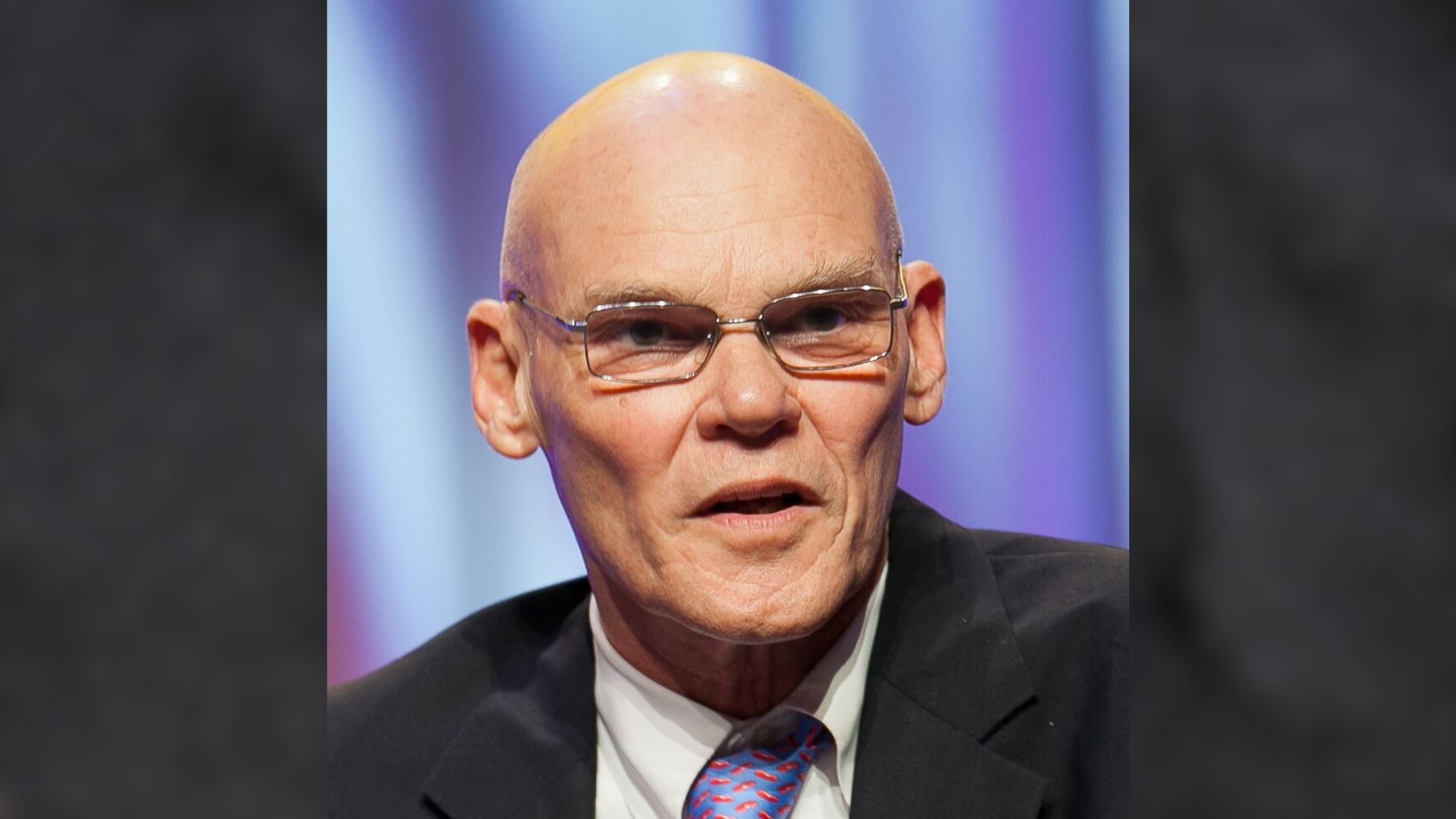
His comments came at a tense moment for Republicans, as some MAGA-aligned voices have begun criticizing Trump over his administration’s attack on Iran, while the party prepares for what could become a difficult midterm cycle.
The question that sparked Carville’s answer was direct.
A listener asked when Republicans might begin to see loyalty to Trump as a political liability rather than a shield. Carville did not point first to national polling or general election matchups.
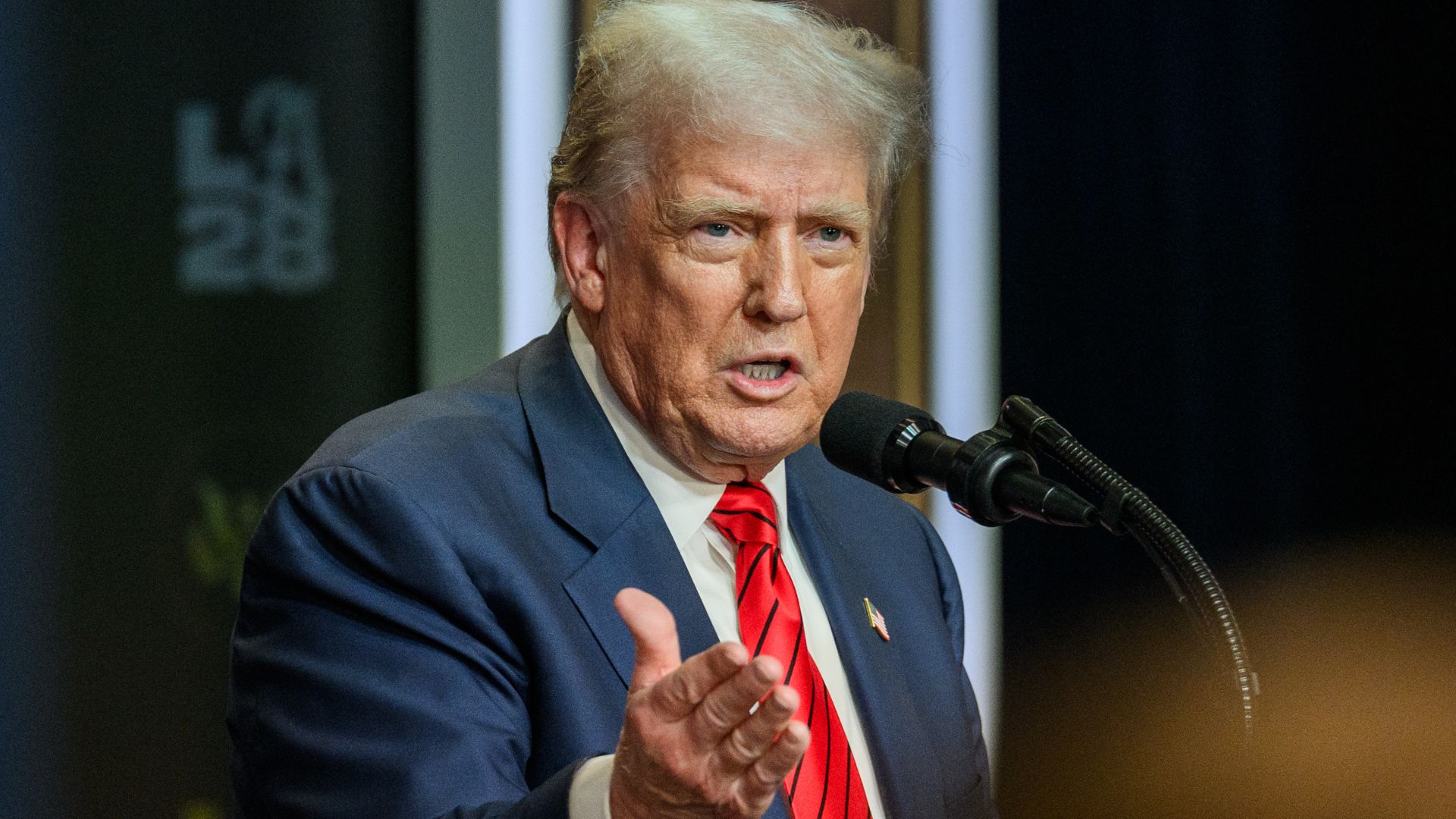
Instead, he turned attention to a handful of Republican primaries that he believes could reveal whether fear of Trump’s political revenge still controls the party.
“Let me tell you, the two big races we talked about. These are really big races with real national implications,” Carville said.
He pointed especially to Republican state Senate primaries in Indiana and to the primary fight involving Rep. Thomas Massie of Kentucky, one of Trump’s most visible GOP critics.
Trump has endorsed challengers against seven Indiana state senators who resisted efforts to redraw the state’s congressional map.
The May 5 primary has therefore become more than a local fight. The Associated Press described it as “an unlikely test of Trump’s grip on the Republican Party.”
Carville suggested that if enough of those Indiana lawmakers survive Trump-backed challenges, and if Massie also wins his primary, Republicans could begin speaking about Trump in a very different way.
“If let’s just say four of the seven win, and Massie wins his primary, they’re going to start s—ing on him before Election Day,” Carville said.
“I’m not saying that Massie is going to win, and not saying that all seven, I don’t know, but I advise anybody who has a real interest in national politics to pay deep attention to the Republican state Senate primaries.”
Massie, 55, has broken with Trump several times, including during Trump’s first term.
His clashes with the president grew sharper last year after he opposed Trump’s budget bill and criticized his approach to foreign policy in the Middle East. Massie has also pushed for the full release of files connected to convicted se* offender Jeffrey Epstein, another issue that has drawn political pressure and public attention.
For Carville, the larger point is not only about Indiana or Kentucky. It is about whether Republican lawmakers still believe crossing Trump means political ruin.
He argued that Trump’s power has long depended on fear, especially after high-profile Republicans who opposed him saw their careers damaged or ended.
“Basically Trump’s greatest strength is the fear element,” he said.
“I mean, the word was… gosh, look what happened to Liz Cheney. Look what happened to Mark Sanford. You can’t stand up against him.”
That fear has helped keep many Republicans in line, even when they privately disagree with him. But Carville argued that fear weakens once politicians see examples of others surviving. If anti-Trump or Trump-defying Republicans win inside GOP primaries, he suggested, the party’s internal calculations could change quickly.
“Well, if four or five of those state senators in Indiana and Tom Massie, particularly in Kentucky, win after standing up against him, win in Republican primaries, there are going to be a number of other people say, ‘Hey, you know what? Maybe you can stand up against him because we really don’t think he’s very good.’”
Carville’s prediction places new weight on primary races that might otherwise be treated as local political contests. To him, they could become early warning signs of whether Trump’s dominance is still firm or beginning to crack.
President Donald Trump is facing increasing pressure from within his own political base, as longtime allies and prominent MAGA figures voice growing concerns over his recent actions and decisions.
Once staunch supporters have begun to break ranks, including former Georgia Congresswoman Marjorie Taylor Greene, who has publicly distanced herself in Trump’s second term.
The wave of criticism has intensified with Senator Thom Tillis starting and winning a war with Trump, signaling deepening fractures even among elected Republicans who previously stood firmly in his corner.
The discontent has extended beyond Capitol Hill, reaching influential conservative media voices.
Tucker Carlson has openly questioned Trump’s direction on key issues, joining a chorus of other prominent MAGA personalities who warn that certain moves risk alienating the movement’s core supporters.
Analysts say this internal pushback marks a notable shift, exposing emerging tensions within Trump’s once tightly unified circle as he navigates his post-presidency influence.
The midterms remain months away, and Carville made clear he was not predicting every Trump-backed candidate would lose. But his argument was simple: if enough Republicans prove they can defy Trump and survive, others may stop fearing him. And if that happens, the turn against him could begin before Election Day.

